Aydarkul: A Lake in the Desert and Its Yurt Camps
How a stay at Aydarkul works: swimming, fishing, a night in a yurt and camel rides, plus how to get there and what to consider so you do not regret the trip.
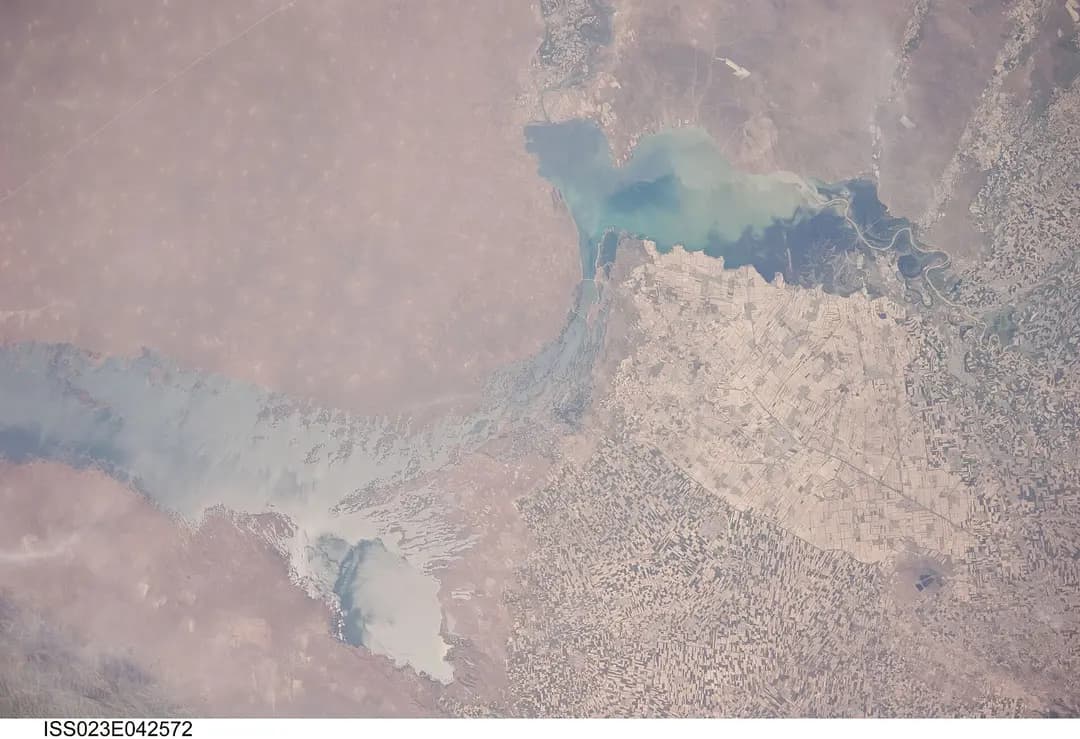
Aydarkul is one of the most unusual places in Uzbekistan: a huge lake in the middle of the Kyzylkum, which appeared in the 1960s when the waters of the Syrdarya were released into the Arnasay depression. Today it is a system of lakes stretching for tens of kilometres. Here you can swim from sandy beaches, fish, spend the night in yurts and watch the sunset over the water. Below is how a stay works and what to look out for.
Where it is
Aydarkul lies at the junction of the Jizzakh and Navoi regions, north of the Nuratau range. It is convenient to come from Jizzakh, Samarkand or Tashkent. From Tashkent to Jizzakh is about 190 kilometres: Tashkent — Jizzakh. Then a few more hours along a steppe road, so the whole trip from the capital takes around five hours. From Samarkand you can come through Navoi, described here: Samarkand — Navoi. The last kilometres cross steppe with few signs, so download an offline map or travel with a driver who knows the way.
What the lake is like
The water in Aydarkul is brackish and warm in summer, with a sandy bottom. The shores are gently sloping, with reed beds in places. The lake is huge and from the shore seems to run beyond the horizon. Around it is desert with dunes and salt flats, so the contrast of blue water and red sand is especially striking. Sunsets and sunrises here are beautiful, and at night, far from cities, you can see many stars.
Yurt camps
Camps on the shore host tourists in yurts. The typical set is beds or mattresses, blankets, a shared kitchen or dining room, showers and toilets. The level of comfort varies, so read reviews and ask what the price includes: dinner, breakfast, electricity. In the evening the hosts usually light a fire and cook plov or shashlik, and sometimes sing and play instruments. Nights in the desert are cool even in summer, so wrap up warmly. The cost of a night depends roughly on the camp and the season and is best confirmed when booking.
What to do
- Swimming. Enter where the bottom slopes gently, do not swim far and watch children.
- Fishing. The lake holds fish and many come for exactly that. Ask your hosts where you may fish and follow the rules.
- Camels. A camel ride along the shore or across the dunes. Agree the price beforehand.
- Birdwatching. The lake lies on a migration route, and you can see pelicans, herons, ducks and other birds, especially in migration season.
- Sunsets and stars. You need do nothing: just sit and watch.
- Walks on the sands. Short routes across dunes near the camp.
When to go
- May and June: warm, the water still fresh and the desert green after spring.
- July and August: hot, with daytime temperatures that can reach forty degrees, though the water is warm. Rest in the shade by day.
- September and early October: comfortable temperatures and few people.
- Winter: cold and windy, and many camps are closed.
What to bring
- Sun protection, a hat, glasses.
- Warm clothes for the evening and night.
- Swimming gear and spare footwear.
- A supply of drinking water: it can be limited on the shore.
- Mosquito repellent, especially near the reeds.
- Cash: terminals rarely work.
- An offline map and a power bank.
Safety
The desert demands caution. Do not go far from the camp without an escort, do not go into the water alone and do not ride machinery without experience. Drink plenty of water and avoid overheating. Beware of snakes and scorpions and do not put hands into burrows or under stones. Do not leave rubbish and do not light fires outside designated places.
Getting there without a car
Getting to Aydarkul without your own car is not easy: there is no regular transport. Many come with an organised group or hire a driver. An alternative is to cover part of the way by shared ride. On Yo'ldosh you can find a driver going from Tashkent to Jizzakh and book a seat, then arrange a transfer with the camp. You pay only for your seat. Check in advance with the camp whether the host will meet you and how you will return.
Practical tips
Book a camp ahead in season. Leave in the morning to arrive before the heat. Agree the price before arriving. Tell your family your plans. Prices for lodging, food and attractions are approximate and best checked in advance.
Find other directions on the all routes page, and read how to book a ride in the for passengers section.
Cover photo: Earth Science and Remote Sensing Unit, Lyndon B. Johnson Space Center, Public domain, Wikimedia Commons.
