The Bakhshi Festival in Termez: epic storytellers under an open sky
Bakhshi singers perform epics for hours with no script, just a dombra. Who they are, why their art is tied to the south of Uzbekistan and how to attend the festival.
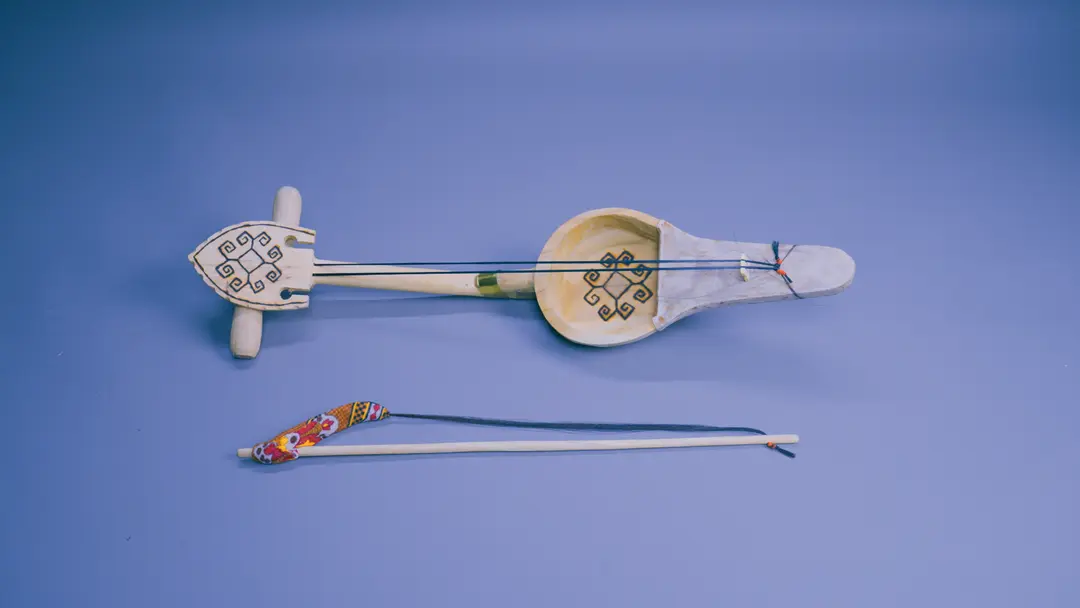
Picture someone reciting a poem of several thousand lines from memory, accompanying themselves on a two-stringed dombra and singing in a special chest voice that sounds almost like a low rumble. That is a performance by a bakhshi, a folk epic singer. In Uzbekistan this art is still alive, especially in the south, in Surkhandarya and Kashkadarya. The International Festival of Bakhshi Art, first held in Termez in 2019, brought together epic singers from Uzbekistan and dozens of other countries and became one of the most unusual events in the country's cultural calendar.
Who the bakhshi are
A bakhshi is a singer, poet, musician and keeper of memory all at once. Traditionally the craft passed from master to apprentice over many years, without anything written down. The apprentice listened first, then played along, and only after years earned the right to perform an epic alone.
The core of the repertoire is the dastan, a heroic or romantic epic:
- Alpamysh, the story of a hero who returns from captivity and saves his people. It is the central Uzbek epic.
- The Gorogly cycle, dozens of tales about a hero and his companions.
- Love epics such as Tahir and Zuhra, Ravshan and others.
Different regions developed their own schools. Bakhshi from Surkhandarya and Kashkadarya sing in a throat or "inner" voice to the dombra. Khorezm performers sound quite different: a small ensemble accompanies them, and their voice is open and ringing.
How the festival works
The usual format is an opening with a large concert, then several days of performances, a competition, an academic conference and public festivities. Part of the programme takes place outdoors, where listeners sit in a circle around the bakhshi, just as they did in the past.
The festival is not annual; it is held at intervals, and the host city can change. Dates are announced in advance in official news, usually for spring. If you plan a trip especially for the festival, first make sure it is taking place in Termez in your year.
A few tips for the audience:
- Do not leave after the first few minutes. The performance can seem monotonous at first, but an epic unfolds gradually: the bakhshi changes rhythm, moves from recitative to song and addresses the listeners.
- Find someone to translate. The story is much easier to follow with an Uzbek speaker beside you.
- Sit close. Throat singing is best heard up close, and the singer's facial expressions are part of the show.
- Respect the silence. Talking during a performance is considered rude.
Hearing bakhshi outside the festival
If the festival dates do not match your trip, you can still hear bakhshi. In Surkhandarya they are invited to weddings, celebrations for a newborn and Navruz, and a dastan performance is considered a fine gift to a family. Whole dynasties of storytellers live around Sherabad and Boysun, and local guides can sometimes arrange a meeting with a performer. Recordings of famous 20th-century bakhshi such as Fozil Yuldosh-ogli and Ergash Jumanbulbul-ogli are easy to find, and listening to them beforehand helps your ear get used to the style. Small performances also happen at festivities in Termez, especially in spring.
Getting to Termez
Termez is the southernmost big city in Uzbekistan, on the banks of the Amu Darya. The Tashkent — Termez route is about 700 km. By car it takes roughly 10 to 12 hours via Samarkand or Qarshi, Guzar and the mountain section near Boysun.
Your options:
- Fly, about an hour and a half and the fastest way.
- Train: the overnight train from Tashkent takes over 14 hours, but saves you a night's accommodation.
- Shared ride: on Yo'ldosh, drivers regularly post trips between Tashkent and Termez. You can pick a convenient departure time and book a seat in the app. It costs less than a private taxi, and drivers are verified.
If you go by car, leave early in the morning so you cross the mountain section in daylight, and take a break in Guzar or Shahrisabz.
What else to see in Termez
The festival takes a few hours a day, so spend the rest of your time in a city where antiquity, Buddhism and Islam meet:
- Fayaz Tepa and Kara Tepa, Buddhist monasteries from the first centuries AD.
- Sultan Saodat, the necropolis of Termez's sayyids, built from the 10th to the 17th century.
- The Mausoleum of al-Hakim al-Termizi, a shrine that draws pilgrims from all over the country.
- Kyrk Kyz, an enigmatic building with dozens of rooms.
- The Archaeological Museum, one of the best in Uzbekistan.
Practical tips
- Heat. Termez is the hottest place in the country. Even in spring days can reach +30°C, and summer is much hotter.
- Accommodation. Delegations come for the festival, so book your hotel early.
- Border zone. Termez sits on the border with Afghanistan. Do not photograph border facilities or the bridge, and keep your passport with you.
- Cash. Cards are rarely accepted at festivities and craft stalls.
The takeaway
The bakhshi festival is a chance to hear a living tradition that is more than a thousand years old. Watch for announcements, book accommodation early and plan the journey with the Tashkent — Termez page. Find every route to the south in all routes.
Cover photo: AIDEPCUL, CC BY 4.0, Wikimedia Commons.
