Khazarasp: an old fortress in southern Khorezm
What remains of the Khazarasp fortress walls, how to combine the town with Khiva in a single day, and what else to see in the south-east of the Khorezm oasis.
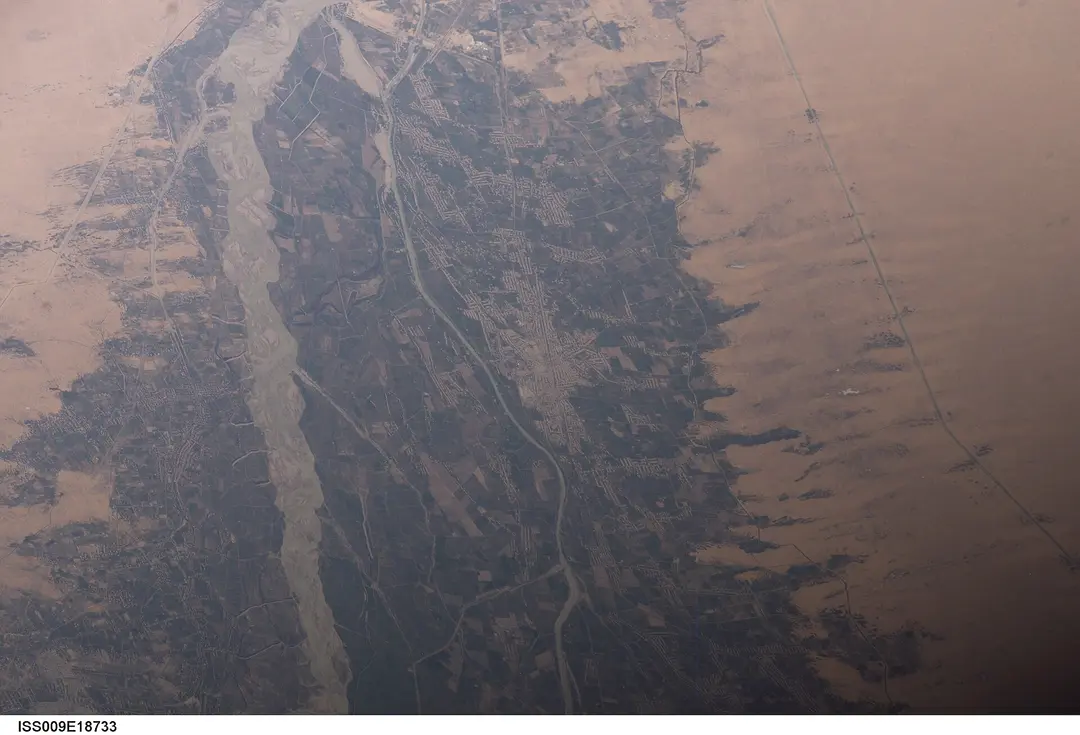
Khorezm is usually associated with Khiva, the museum city inside the walls of Itchan Kala. But Khiva was far from the only fortress in the oasis. An hour's drive away, in the south-east of the Khorezm region, stands Khazarasp, one of the oldest towns in the area, where massive mud walls are still visible. There are few tourists here, and that is the main reason to come: you see a fortress with ordinary life going on around it rather than a museum display.
Where Khazarasp is
Khazarasp is a district town in the south-east of the Khorezm oasis, close to the Amu Darya. It is about 55–60 km from Urgench (roughly an hour's drive) and a similar distance from Khiva. The town lies on the edge of the irrigated land: further east begin the desert and the river banks, so historically Khazarasp was an outpost that guarded the oasis on this side.
The name is usually translated as "a thousand horses", from the Persian words hazar (thousand) and asp (horse). Locals tell stories of herds grazing by the walls and of the horses the town was famous for. Whatever the truth, the place is mentioned in medieval sources as one of the main fortresses of Khorezm.
The fortress: what survives
The main reason to come is the fortress walls. The Khazarasp fortress is an elongated rectangle; its walls are built of mud brick and clay, as in Khiva, and reinforced with semicircular towers.
What a visitor will see:
- Sections of wall. In places the walls survive to a considerable height and their outline with battlements and loopholes is easy to read. Elsewhere they have slumped into clay ramparts.
- Gates. The sites of the old gates remain, and streets still pass through them today.
- The moat. Along part of the walls you can see a moat that was once filled with water as an extra defence.
- Living quarters inside. Unlike Itchan Kala, this is not a museum: people live inside the walls, there are houses, children running around and cows wandering by.
Mind the rules: do not climb the walls, as the clay crumbles; it is dangerous and damages the monument. Ask before photographing houses and people.
How to combine it with Khiva
Khazarasp fits easily into a Khorezm itinerary. Some options:
- A day loop from Khiva or Urgench. Morning in Khazarasp with a walk along the walls (1.5–2 hours), lunch in a local teahouse, then back to Khiva in time for sunset from the minarets.
- On the way in from the east. If you enter Khorezm from the Amu Darya side, Khazarasp is the natural first stop before Urgench and Khiva.
- Together with the desert fortresses. If you are planning a trip to Toprak Kala and Ayaz Kala on the other side of the river, you can combine the Khorezm fortresses into one long route, but it is better split over two days.
Comparing Khazarasp with Itchan Kala is worthwhile in itself: in Khiva you see a restored city, while here you see what such a fortress looks like when an ordinary district town simply lives around it.
What else to see in the district
- The Amu Darya banks. On the eastern edge of the district the river flows wide and slow; the bank is very photogenic at sunset.
- Rural Khorezm. Flat-roofed clay houses, mulberry trees along canals and cotton fields make up the classic oasis landscape.
- The bazaar. Khazarasp has a bazaar selling Khorezm melons, dried fruit and fresh bread.
What to eat
Khorezm cuisine is different from the rest of Uzbekistan. Try:
- Shivit oshi: green dill noodles served with a meat sauce and sour yoghurt.
- Tukhum barak: dumplings filled with egg.
- Khorezm plov: made differently from the Fergana or Samarkand versions.
- Melons: in late summer and autumn Khorezm melons are considered among the best in the country.
When to go
The best months are April to May and September to October. Summers in Khorezm are hot, sometimes above 40°C, and a walk along the walls at midday is a real test. Winters are cold and windy, but there are almost no tourists. Whatever the season, bring water, a hat and comfortable shoes.
How to get there
The nearest major transport hub is Urgench, with an airport and a railway station. Minibuses and taxis run from Urgench to Khazarasp, and on the Khazarasp – Urgench route drivers post shared rides on Yo'ldosh. It is convenient if you want to leave in the morning and be back by lunch or evening without hunting for a taxi for the return trip. You pay only for your own seat and choose the departure time yourself.
Practical tips
- Allow 1.5–2 hours for a walk along the walls.
- The light is softer in the morning and towards evening, and the walls look beautiful in photos.
- Cash is the easiest way to pay in the district.
- Dress modestly: these are residential neighbourhoods, not a tourist zone.
Khazarasp is for those who want to see Khorezm without the postcard gloss but with real history. If you are planning a trip, check rides on the Khazarasp – Urgench route, and find other connections around the oasis under all routes.
Cover photo: Earth Science and Remote Sensing Unit, Lyndon B. Johnson Space Center, Public domain, Wikimedia Commons.
