Uzbek Wine: Winemaking in Samarkand and the Tashkent Region
The country's oldest wineries, local grape varieties and advice on where to hold a tasting without breaking rules or getting behind the wheel afterwards.
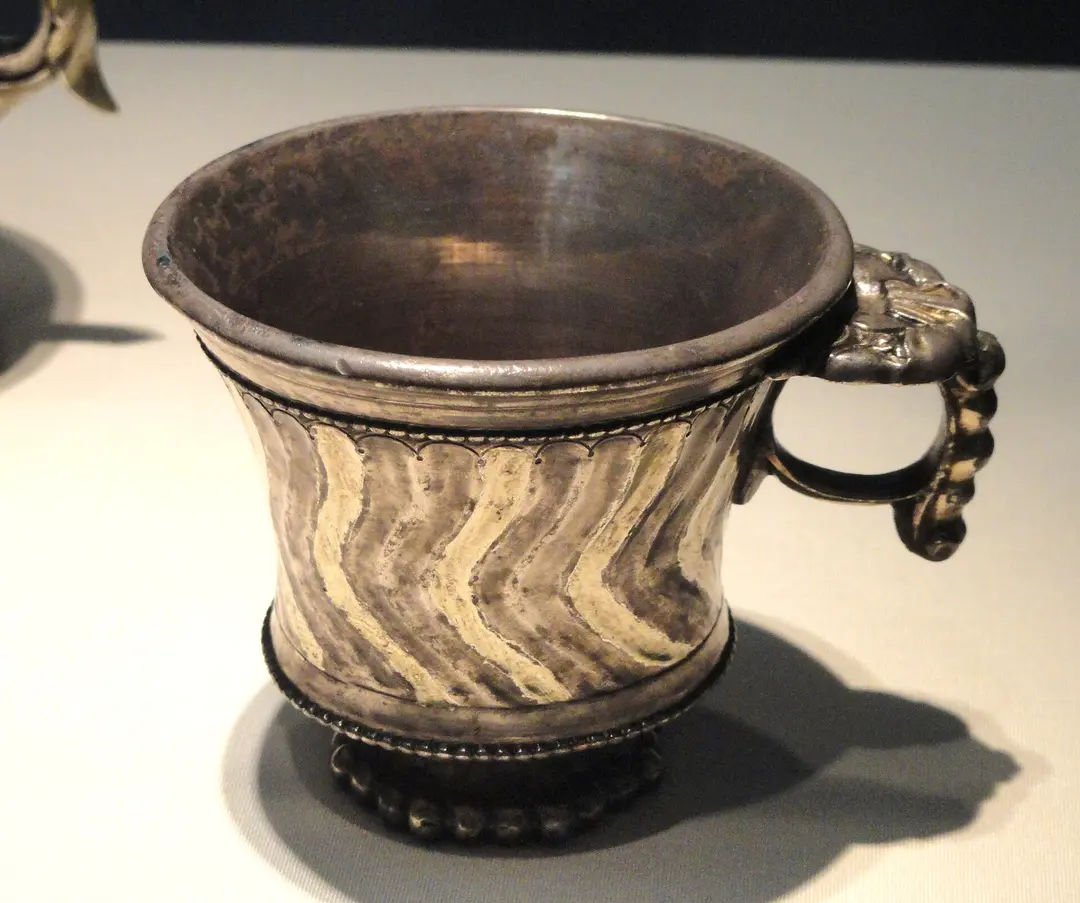
Uzbekistan is a country with ancient viticulture traditions. Grapes were grown here as far back as the Great Silk Road, and in the nineteenth century industrial winemaking joined the local tradition. Today wine is not a main part of the cuisine, but for curious travellers it is a fascinating topic, especially in Samarkand.
A little history
Viticulture in Central Asia has existed for millennia. Fresh grapes, raisins and juice were everyday products. Modern winemaking in the region is linked to the nineteenth century, when the first wineries appeared in Samarkand and other areas. One of the best known, associated with the name Khovrenko, still operates and is tied to the history of Samarkand wine.
Wine in Uzbekistan is made mostly from local grapes and varieties that have adapted to the hot, dry climate. The abundant sun yields rich, sweet berries, so local wines are often strong and dessert style.
Local grape varieties
Exact names of varieties may vary between producers, but among the known ones are:
- Bayan Shirey: a white technical variety popular in the region;
- Rkatsiteli: a white variety known in other countries too;
- Saperavi: a dark variety widely grown in the region;
- Husaini and Kishmish: table varieties eaten fresh and dried;
- Other local and introduced varieties.
Do not expect wines like European ones: Uzbek drinks are more often sweet, semi-sweet and dessert, though dry ones exist too.
Where tastings are held
Samarkand
Samarkand is the country's main centre of wine tourism. You can visit a winery with a museum and a tasting hall. The programme usually includes the history of the enterprise, a tour of the cellars and a tasting of several wines and brandies. It is usually necessary to check opening hours and visiting conditions in advance, because the schedule may change.
What usually comes with it:
- a look at old cellars and barrels;
- a guide's story about history and technology;
- a tasting of several samples;
- the chance to buy bottles at the shop by the winery.
The Tashkent region
There are vineyards and enterprises around Tashkent too, but tourist programmes there are fewer. If wine is your interest, find out beforehand where visitors are received. Often it is enough to ask a travel agency or guesthouse.
How to behave at a tasting
- Do not rush. Sip small amounts and drink water between samples.
- Ask. Guides gladly talk about varieties and production.
- Do not drink more than needed. A tasting means small portions.
- Do not drive. If you plan to drink, arrange your ride in advance.
- Buy a bottle as a keepsake. Wine from the winery is usually better than from a random shop.
Good to know
Uzbekistan is a predominantly Muslim country, and alcohol is not part of everyday culture. Wine is sold in specialised shops and restaurants, but it is best to respect local customs: do not drink in the street or public places, do not offer alcohol to hosts and do not insist if they decline.
Exporting wine abroad is regulated by customs rules: quantities and conditions depend on the destination country. Before buying, check your country's import restrictions. If you fly, pack bottles in checked luggage with protection.
Cost and what to buy
Wine prices depend on the producer, age and type. Roughly, dessert and fortified wines in Uzbekistan are inexpensive compared with European ones. Prices change, so check on the spot. If you want a souvenir, look at gift sets and locally produced brandies.
Getting there
If you live in Tashkent and want to visit Samarkand's wine spots, the simplest way is to go for a day or a weekend. The road from Samarkand to Tashkent takes 3.5 to 4 hours, and on the Samarkand — Tashkent page drivers post return trips. It is a convenient option for those who want to taste wine and not drive: you take keepsake bottles, and the driver is responsible for the road. You book a seat in the Yo'ldosh app, and the price is usually lower than a taxi. Other directions are collected on the all routes page.
Mini-route: a day in Samarkand
- Morning: the Registan or Gur-Emir, before the heat.
- Midday: lunch at a teahouse and a walk around Siab Bazaar.
- After lunch: the winery, tour and tasting (check the time in advance).
- Evening: dinner and a shared ride back to Tashkent, or an overnight stay.
The takeaway
Uzbek wine is an unusual page in a trip around the country. It is not the main reason to come, but an interesting addition to a tour: it shows another side of the region, where grapes have long been part of the culture. Approach the subject with curiosity and respect, and a tasting will become a pleasant memory.
Cover photo: Daderot, CC0, Wikimedia Commons.
